An Overdose of Nationalism
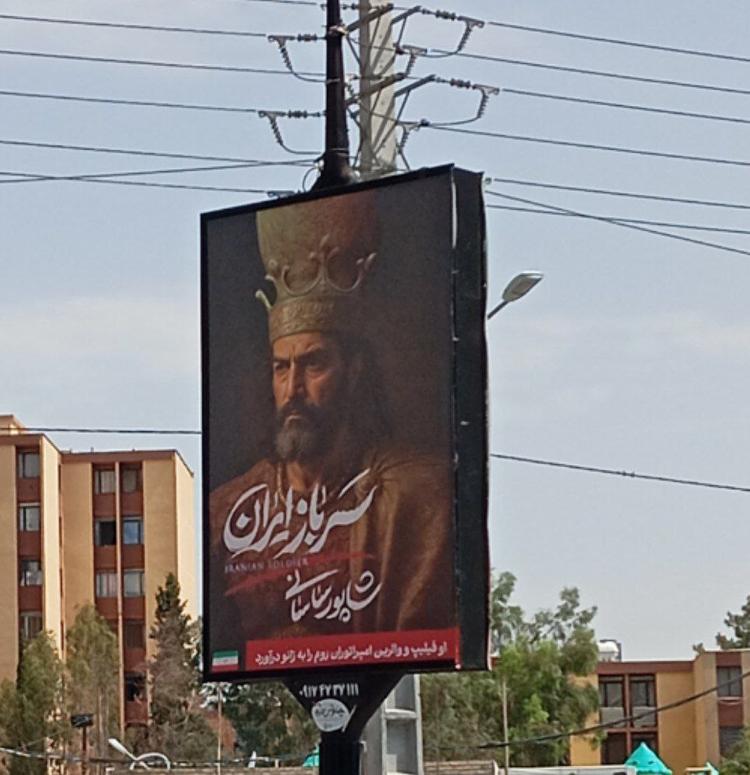
Any identity co-opted by state power inevitably withers. This is an unwritten law of history. Whenever an authoritarian apparatus—particularly one representing a narrow ideological minority—attempts to champion a cultural concept, historical figure, or national symbol, it ends up debasing it. This is not genuine commemoration; it is systematic devaluation—hollowing out a concept of its authentic spirit and reducing it to a hollow prop for street propaganda.
The mechanism of this degradation is predictable. The state reaches for symbols deeply rooted in citizens' hearts: patriotism, ancient civilizational pride, legendary heroes. Yet this embrace is tainted by political cynicism. When an establishment that spent decades denigrating pre-Islamic heritage suddenly dons the cloak of nationalism, citizens immediately perceive the hypocrisy.
Suddenly, official eulogists who spent years performing for narrow partisan audiences are mobilized to carry the banner of nationalism. They alter and censor the lyrics of the historic patriotic anthem "Ey Iran"—a song woven into generations of collective memory—to serve state agendas. Hearing "Ey Iran" with altered lyrics sung by those who once suppressed national expressions evokes revulsion; it is an overt theft of collective memory.
The same dynamic occurred following General Qasem Soleimani’s funeral. What began as a genuine public farewell for a soldier defending the border was aggressively seized by state media, resulting in an unbearable "overdose" of propaganda. Billboards, statues, and banners saturated public spaces to the point of exhausting the public.
This dynamic becomes even more absurd with ancient history. Cyrus the Great is no longer celebrated for tolerance; instead, state media attempts to cloak him in contemporary ideological symbols. Citizens do not reject their heritage; they reject the vulgarized caricature displayed by the state.
And now, Tehran’s municipal apparatus brandishes banners of the Sasanian emperor Shapur. How can an establishment that historically framed Iranian civilization as beginning only with the defeat of the Sasanians suddenly revere a Sasanian monarch? Citizens see past the spectacle: they do not see imperial majesty, but contemporary desperation attempting to exploit sacred heritage to distract from governance failures.
This is how nationalism is slaughtered on the altar of state expediency. What remains is a younger generation that views not only the state, but even co-opted national symbols, with cynicism. To the state, the clearest advice is simple: Take a step back from nationalism.